How to Measure Whether AI Training Actually Worked
Attendance and satisfaction scores tell you nothing. Four measures that do, how to capture a baseline before you start, and what a realistic return looks like.
Thoughts on technology, design, development, and building digital products that make a difference.

Attendance and satisfaction scores tell you nothing. Four measures that do, how to capture a baseline before you start, and what a realistic return looks like.

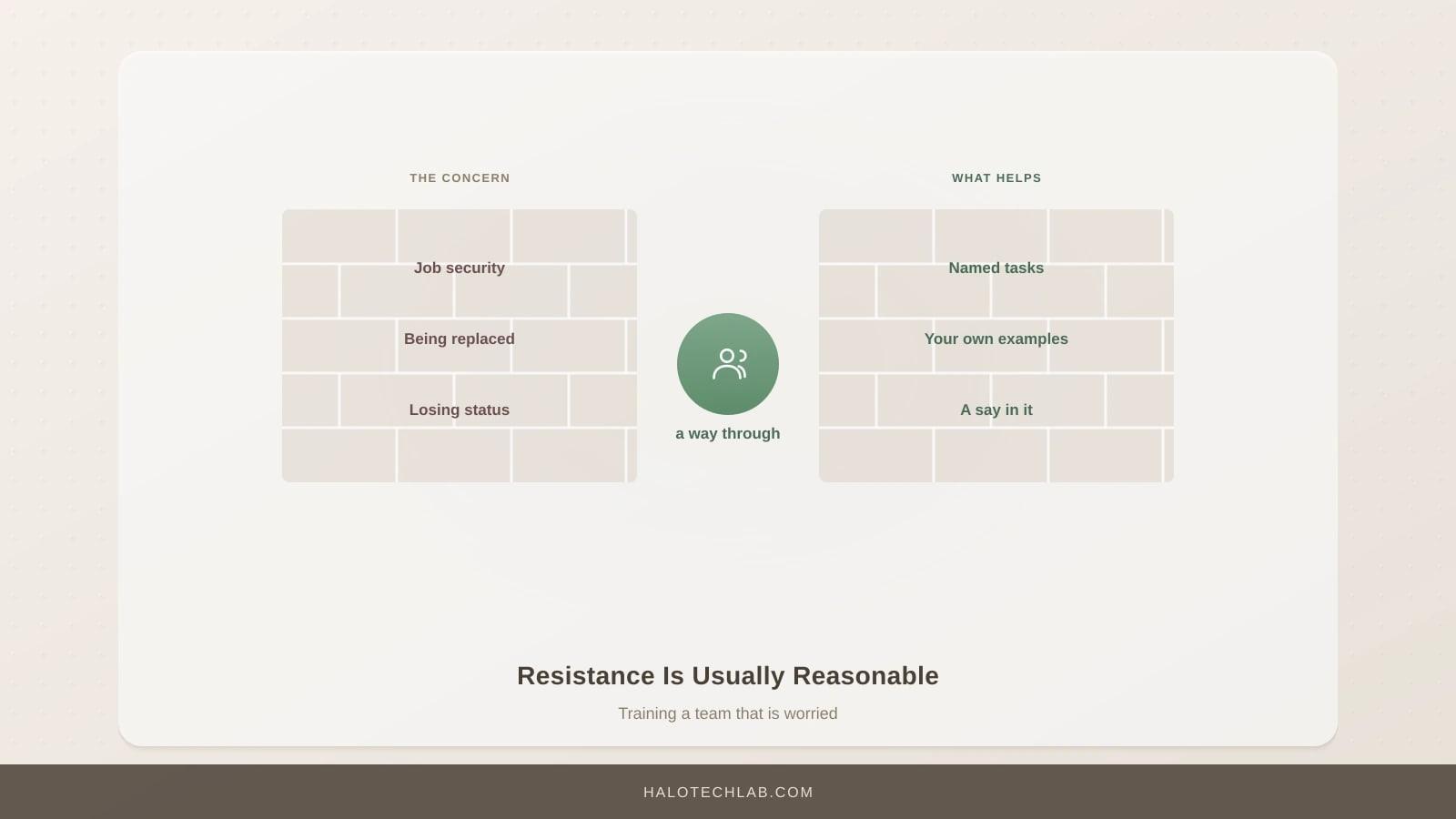
Resistance is usually a reasonable response to a badly handled rollout. How to run AI training when people are worried, and why pretending nothing will change makes it worse.

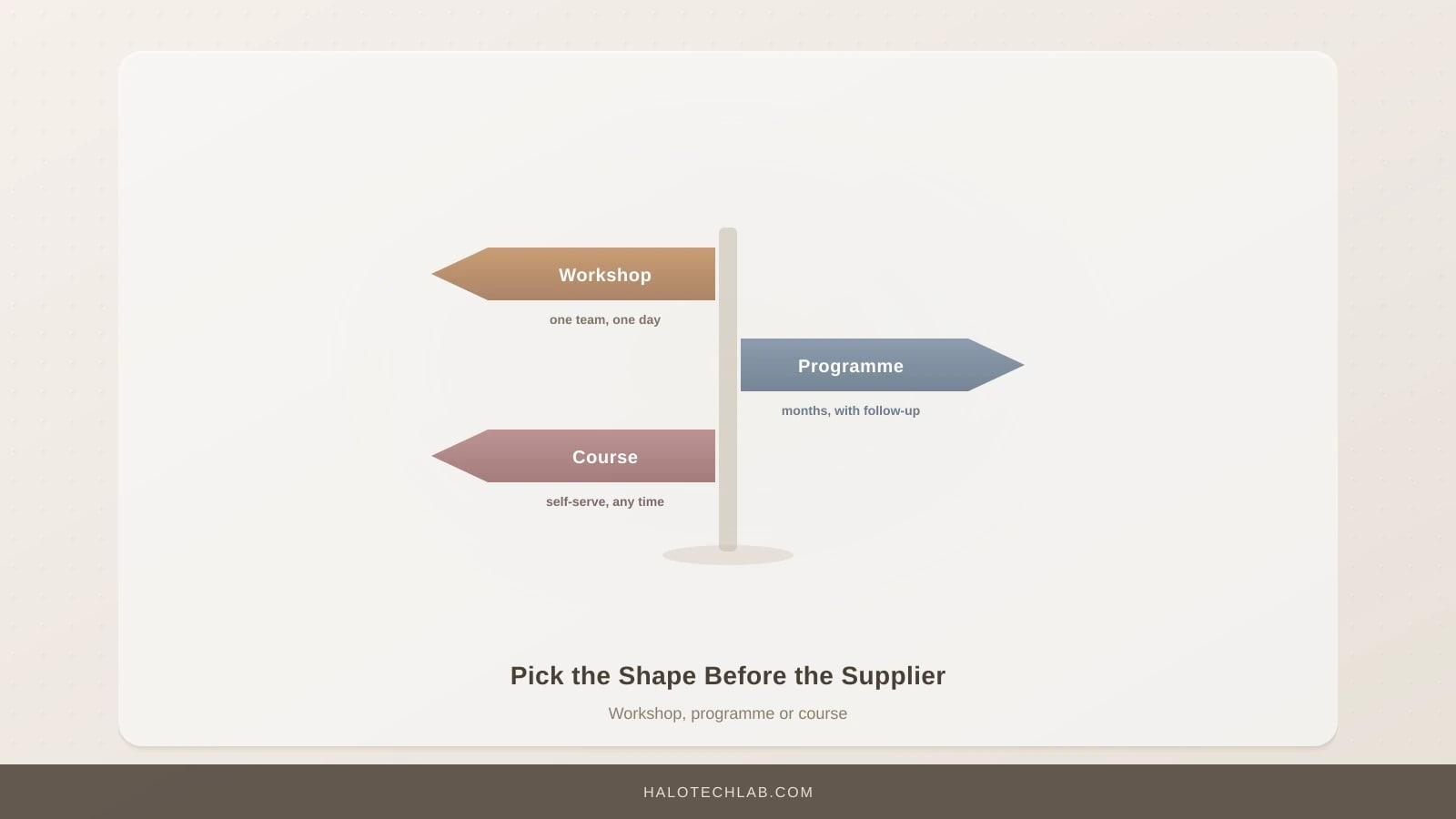
A half-day workshop, an ongoing programme and a self-serve course solve different problems. What each is good at, what each costs, and how to tell which one your team needs.

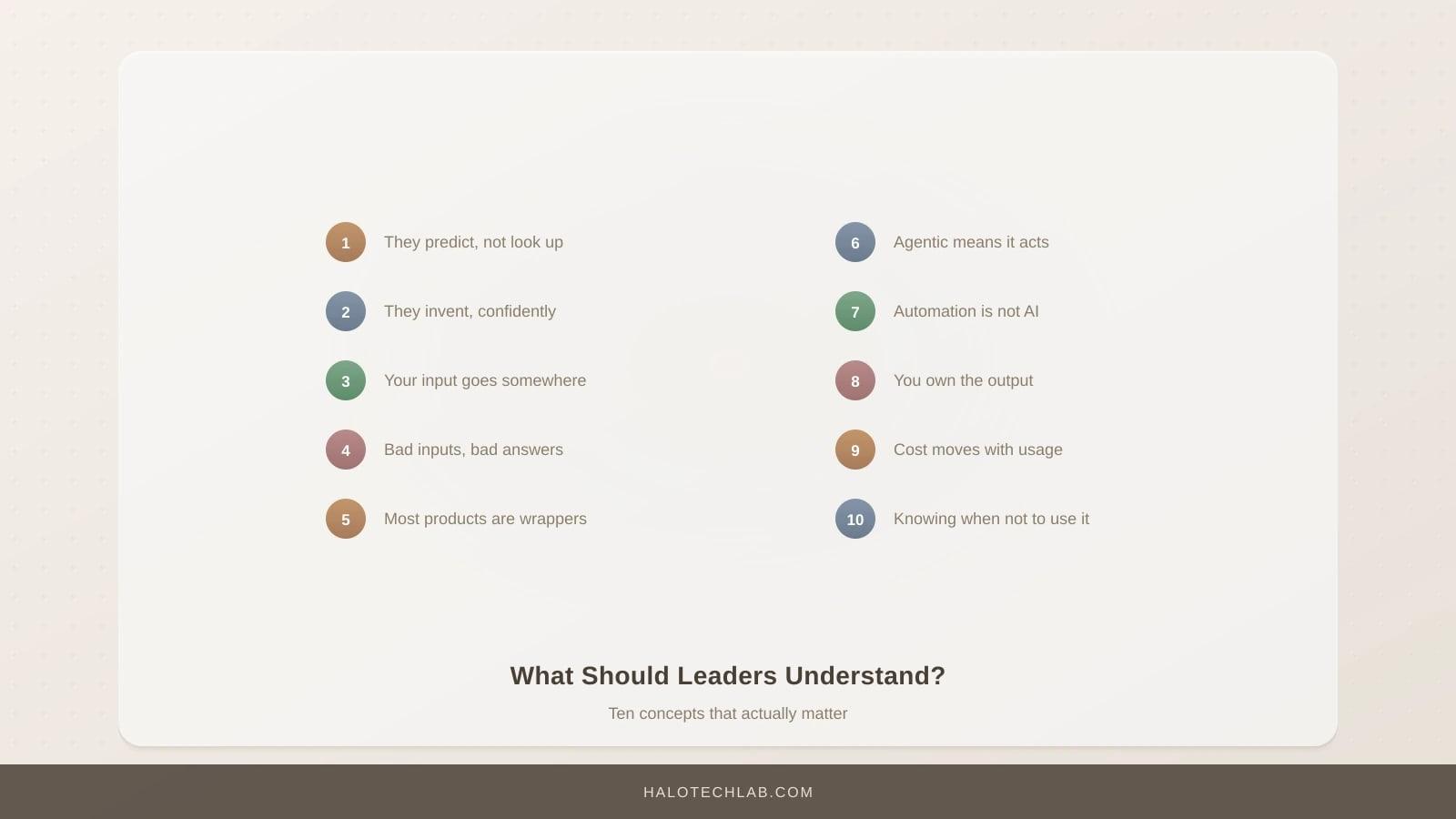
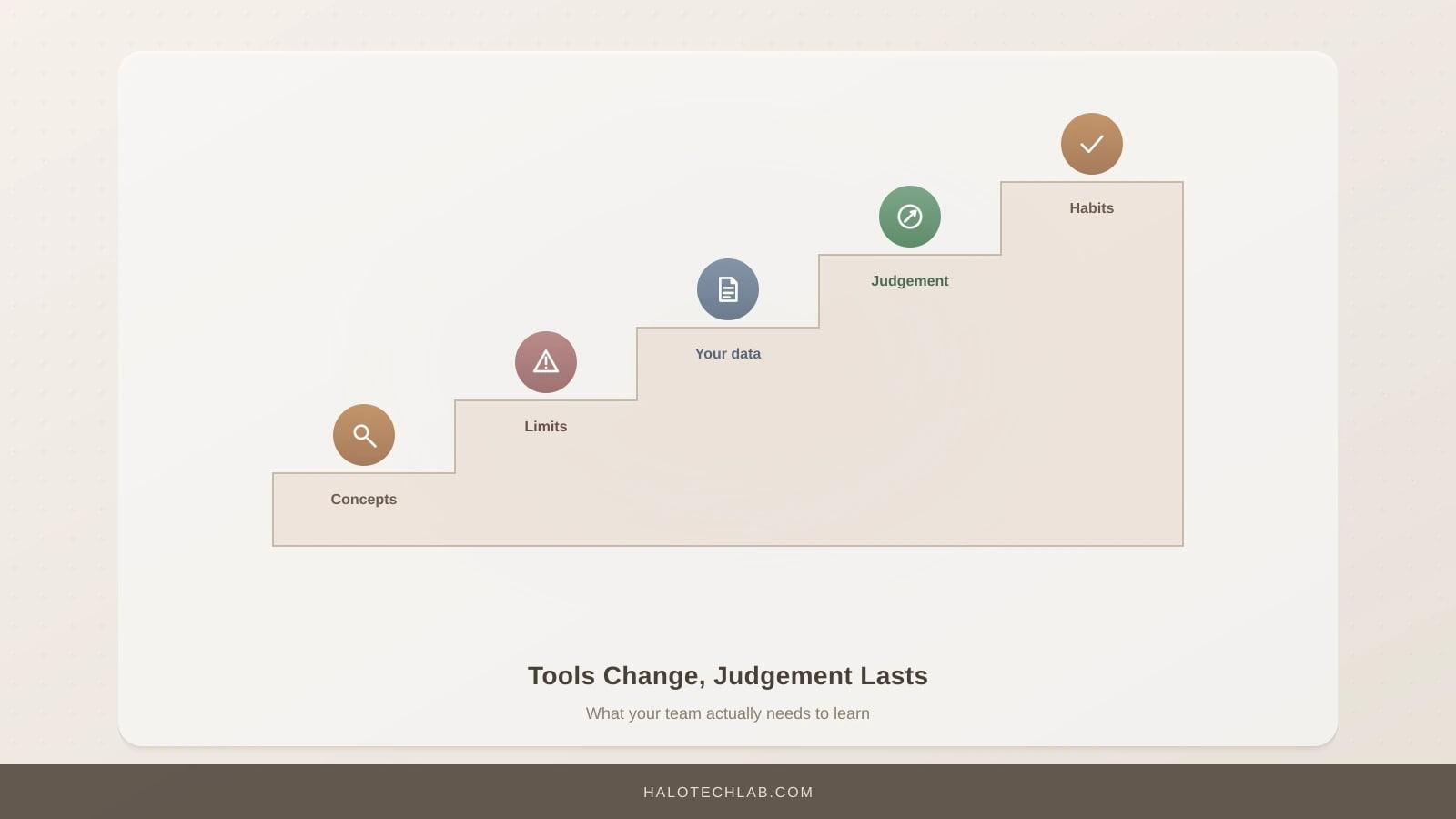
You do not need to know how a model works. You do need to know why it makes things up, what it does with your data, and when to distrust it. The ten concepts that matter.

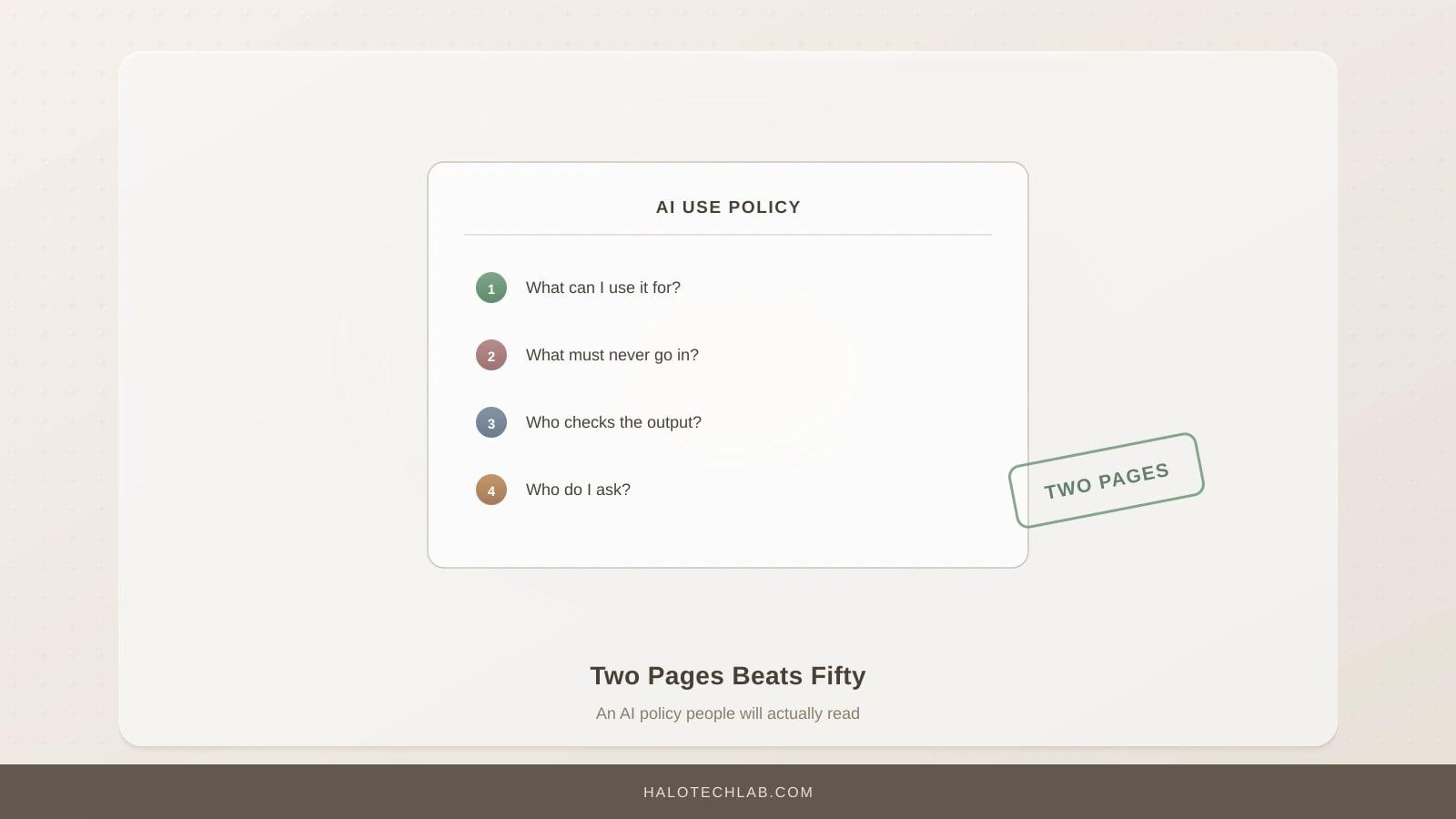
A usable AI policy fits on two pages and answers the questions staff actually have. What to include, what to leave out, and a template written for people, not lawyers.

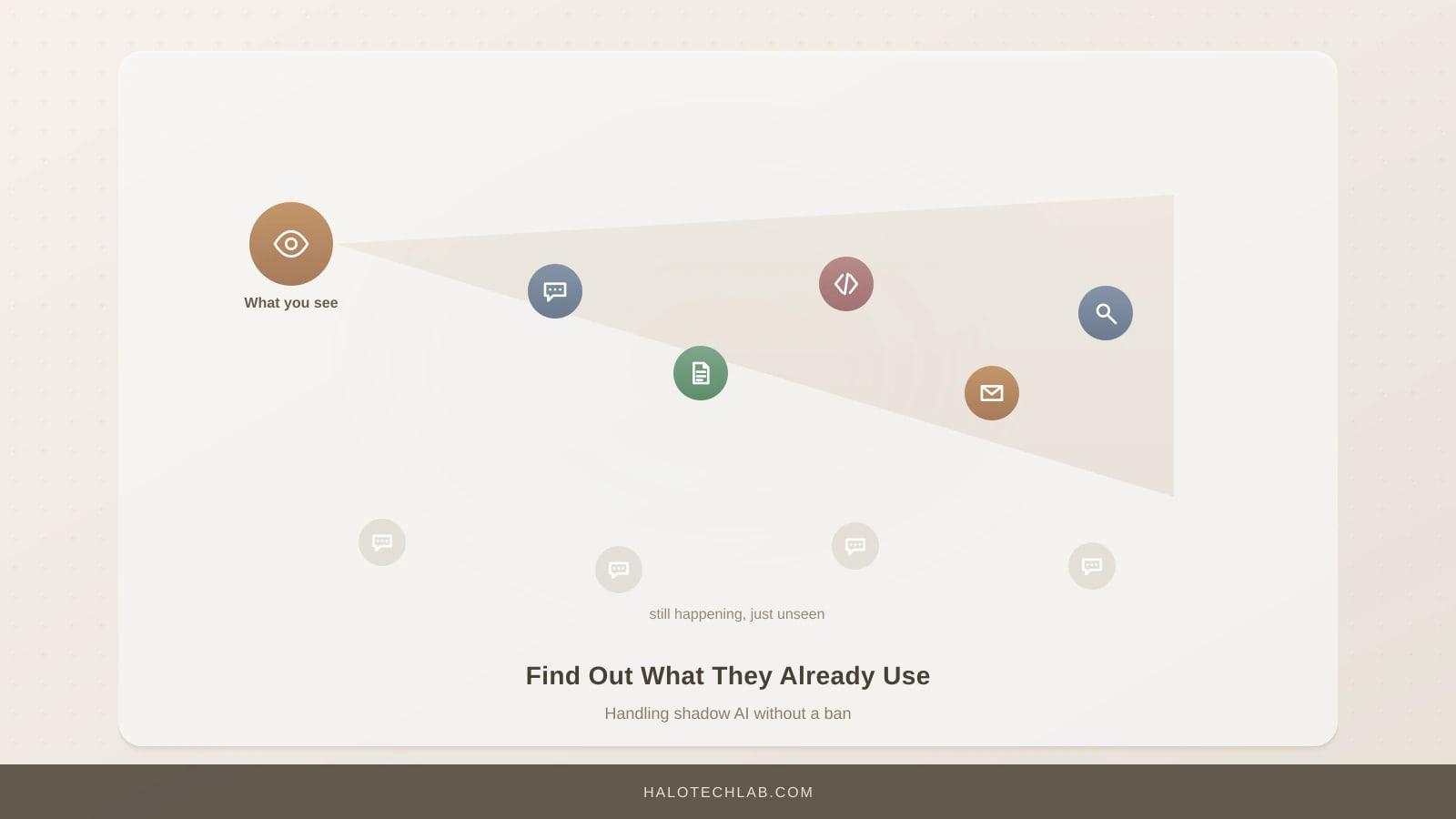
Banning it does not stop it, it just stops you hearing about it. How to find out what your team is actually using, and how to make it safe without killing the benefit.

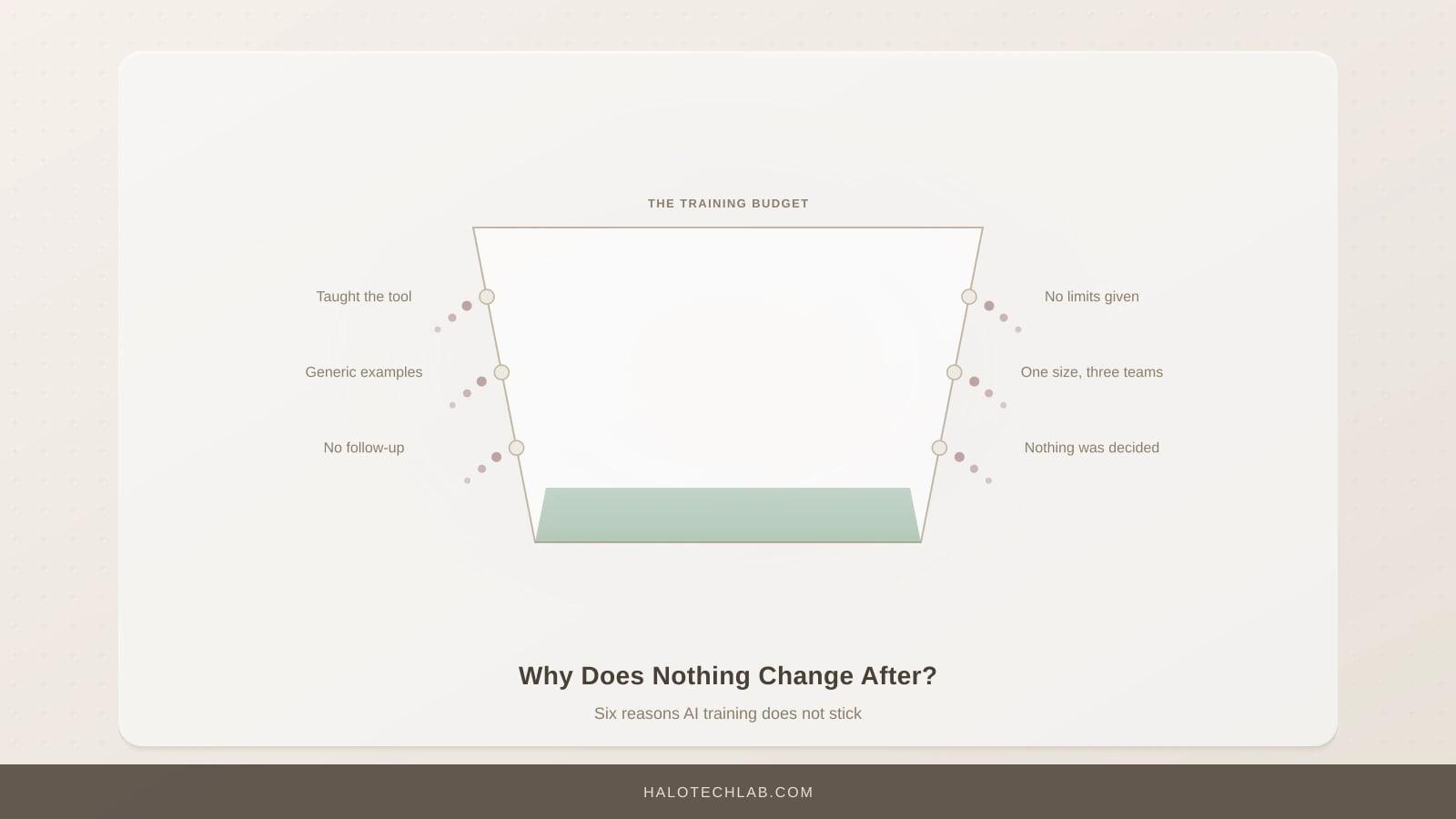
Everyone attends, everyone nods, nothing changes. Six reasons AI training does not stick in smaller businesses, and what to do differently without spending more.

Most AI training teaches tools. Tools change every six months. A complete guide to what to teach, who to teach it to, which format suits which team, and how to tell whether it worked.

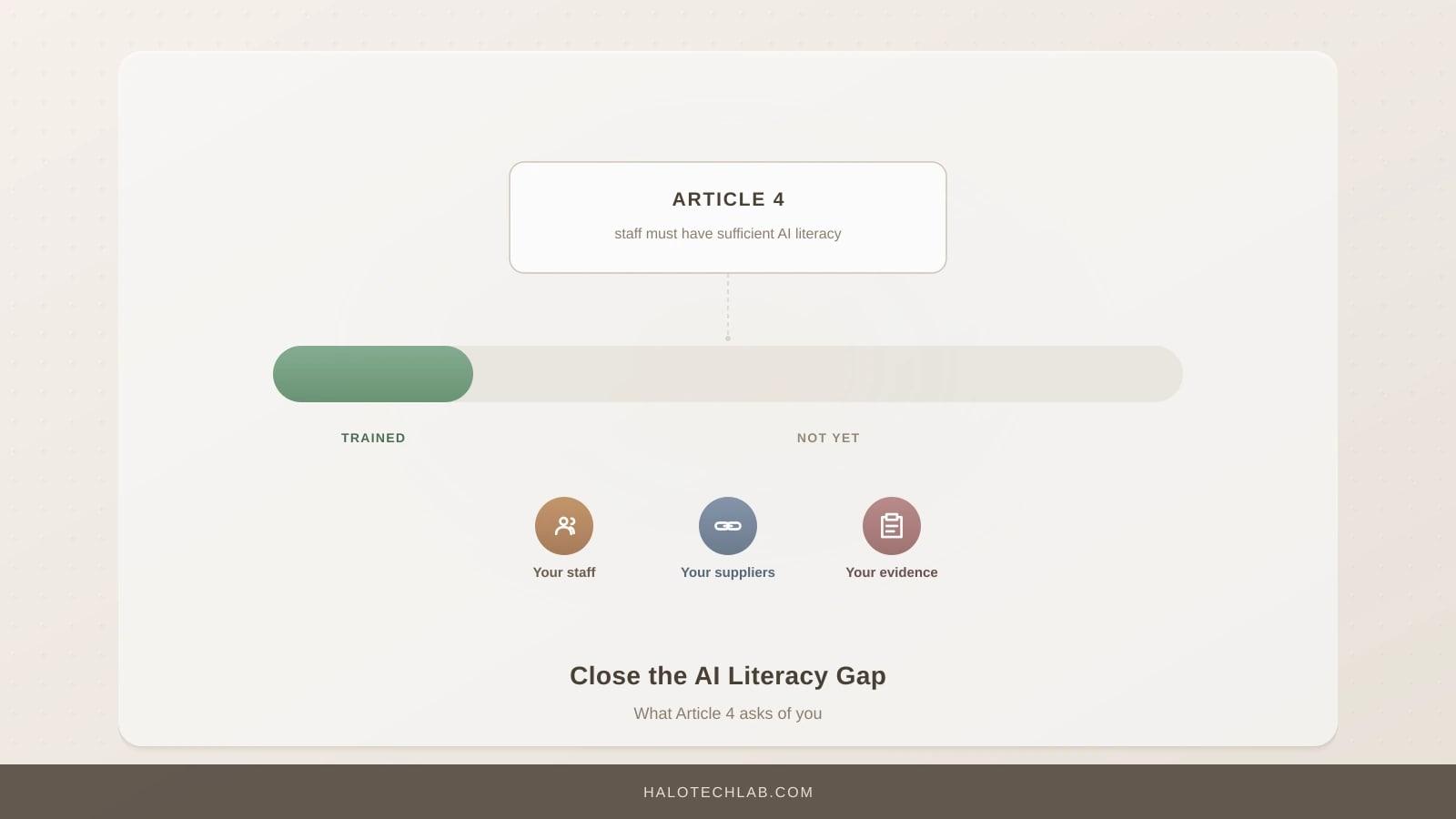
Article 4 has applied since February 2025 and enforcement began in August 2026. Only around 22% of UK businesses have trained staff on AI governance. What the duty actually asks of you.
Playbooks, build logs and tool teardowns for SME leaders. One email a week, free, unsubscribe any time.